
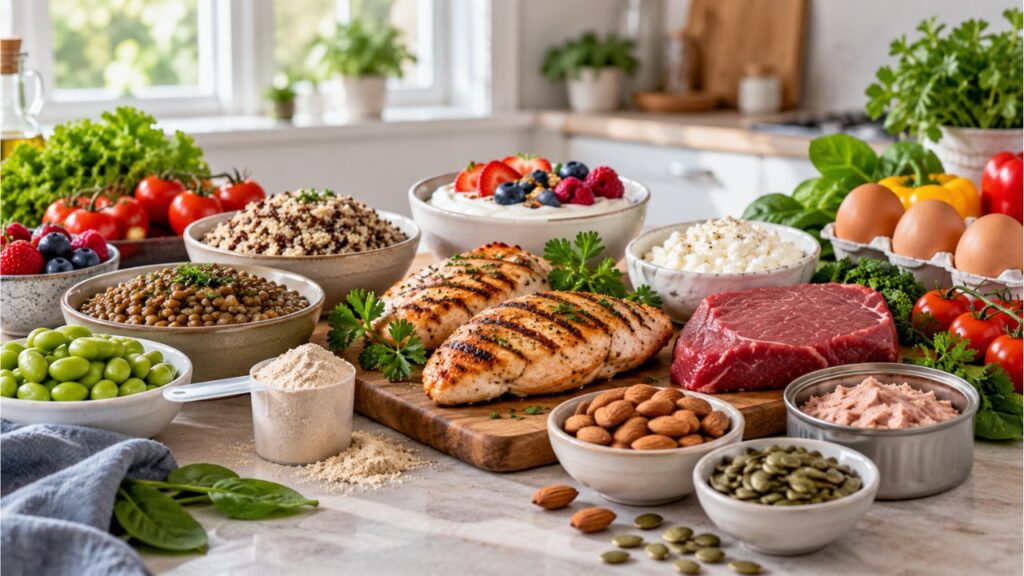

Adding more protein to your meals can help you feel fuller, support muscle maintenance and growth, and make balanced meals more satisfying. Protein also requires more energy to digest than carbohydrates or fat, although eating more protein does not automatically lead to weight loss.
You don’t have to live on plain chicken breast and broccoli to get enough protein. There are plenty of flavorful, affordable options you can find at almost any grocery store.
From Greek yogurt and eggs to lentils and edamame, these 12 high-protein foods can make everyday meals more satisfying and nutritious.
Key Takeaways
- Protein can help you feel fuller and make meals more satisfying.
- Your body uses more energy to digest protein than it does to digest carbohydrates or fat.
- You can get protein from meat, seafood, dairy, eggs, legumes, nuts, seeds, and soy foods.
- Whole-food protein sources can also provide important vitamins, minerals, fiber, and other nutrients.
- Your protein needs depend on factors such as your body size, age, activity level, and health goals.
Your High-Protein Foods Grocery List
Add a few of these foods to your weekly grocery list and mix them into meals and snacks throughout the week. Many are easy to prepare, budget-friendly, and versatile.
1. Greek Yogurt
Greek yogurt is made by straining yogurt to remove some of its liquid, giving it a thicker texture and concentrated protein content.
A typical 6-ounce serving can provide around 15 to 18 grams of protein, although the exact amount varies by brand. Choose plain Greek yogurt when possible if you want to limit added sugar.
For a simple breakfast or snack, top it with fresh berries, sliced fruit, nuts, or a small drizzle of honey. You can also use plain Greek yogurt in place of sour cream in dips and sauces.
2. Chicken Breast
Chicken breast is a popular high-protein choice because it is versatile, relatively lean, and easy to use in everything from salads to sandwiches and meal-prep bowls.
A 4-ounce serving of cooked, skinless chicken breast provides roughly 25 to 30 grams of protein, depending on how it is prepared.
A meat thermometer can help you avoid overcooking it. Cook chicken to an internal temperature of 165°F for food safety.
For easy meal prep, cook several portions at once and use them throughout the week in tacos, salads, rice bowls, or wraps.
3. Whole Eggs
Eggs are an affordable and convenient source of high-quality protein. One large egg provides about 6 grams of protein along with nutrients such as choline, vitamin B12, selenium, and vitamin D.
The yolk contains many of the egg’s vitamins and minerals, so there is no need to automatically remove it unless you have a specific dietary reason to do so.
Hard-boil a batch of eggs ahead of time for an easy breakfast or snack. You can also add them to toast, salads, breakfast bowls, or sandwiches.
4. Lean Beef
Lean cuts of beef, such as sirloin and lean ground beef, can provide plenty of protein along with nutrients including iron, zinc, and vitamin B12.
A 4-ounce serving of cooked lean beef can provide roughly 20 to 25 grams of protein, depending on the cut and fat content.
Try lean ground beef in taco bowls, chili, or homemade burgers. Choosing leaner cuts can help you manage your intake of saturated fat and calories while still enjoying beef.
5. Lentils
Lentils are one of the easiest ways to add plant-based protein and fiber to your meals. One cooked cup provides roughly 18 grams of protein, although the exact amount can vary.
Their fiber content can also help make meals more filling and support digestive health.
Unlike many dried beans, lentils usually don’t require overnight soaking. Rinse them, simmer until tender, and add them to soups, salads, curries, or grain bowls.
For extra flavor, cook them with vegetable broth and seasonings such as garlic, cumin, paprika, or black pepper.
6. Cottage Cheese
Cottage cheese is a convenient protein-rich dairy food that can work equally well in sweet or savory meals.
A half-cup serving can provide around 12 to 14 grams of protein, depending on the brand and variety. It contains casein, a dairy protein that is digested relatively slowly compared with whey.
If you don’t like the texture, blend cottage cheese until smooth. You can use it as a base for dips, spreads, smoothies, or high-protein pancakes.
Pro Tip: Instead of worrying about getting all your protein in one meal, spread your intake across the day. A balanced approach can make it easier to meet your overall protein needs and build satisfying meals.
7. Almonds
Almonds provide protein, fiber, healthy unsaturated fats, vitamin E, and magnesium.
One ounce of almonds contains about 6 grams of protein. They are also calorie-dense, so portion size matters if you’re trying to manage your overall calorie intake.
Keep a small portion at your desk or add almonds to oatmeal, yogurt, salads, or homemade trail mix.
A small handful can make a convenient snack, especially when paired with fruit or yogurt.
8. Canned Tuna
Canned tuna is an affordable, convenient source of protein that requires little preparation.
A typical 5-ounce can can provide around 25 grams of protein, although nutrition varies by brand and type.
For a lighter tuna salad, mix tuna with Greek yogurt, chopped celery, mustard, lemon juice, and black pepper. You can also add it to wraps, salads, or whole-grain toast.
When eating tuna regularly, pay attention to the type you choose and follow current seafood guidance for mercury exposure.
9. Quinoa
Quinoa is a useful plant-based food because it provides both protein and carbohydrates. It also contains all nine essential amino acids.
One cooked cup provides about 8 grams of protein. Quinoa is naturally gluten-free and works well as a base for grain bowls, salads, and side dishes.
Rinse quinoa before cooking to help remove its naturally bitter outer coating. For extra flavor, toast the dry quinoa briefly in a pan before adding your cooking liquid.
Pair it with beans, lentils, eggs, chicken, or roasted vegetables for a balanced meal.
10. Whey Protein Isolate
Protein powder isn’t required to meet your protein needs, but it can be a convenient option when whole foods aren’t practical.
One scoop of whey protein isolate often provides around 20 to 25 grams of protein, although the amount varies by product.
Whey isolate is more highly filtered than whey concentrate and generally contains less lactose, fat, and carbohydrates. However, the exact nutrition depends on the brand and product.
Use it in smoothies, oatmeal, yogurt bowls, or shakes when you need a quick protein option. Think of it as a convenient supplement to your diet rather than a replacement for nutritious meals.
11. Edamame
Edamame are young soybeans that provide plant-based protein, fiber, and several vitamins and minerals.
One cup of cooked edamame can provide around 17 grams of protein, depending on whether the serving is measured with or without the pods.
Frozen edamame is especially convenient. Steam or microwave it, add a little salt, and serve it as a snack or side dish.
You can also add shelled edamame to salads, stir-fries, rice bowls, and soups.
12. Pumpkin Seeds
Pumpkin seeds are a convenient source of plant-based protein, healthy fats, zinc, and magnesium.
One ounce provides roughly 5 to 9 grams of protein depending on the product and preparation. Roasted pumpkin seeds are also a good source of magnesium.
Sprinkle them over oatmeal, yogurt, salads, soups, or roasted vegetables for extra crunch.
Choose unsalted or lightly salted varieties if you’re watching your sodium intake.
Common High-Protein Food Mistakes
Adding more protein to your diet can be helpful, but more isn’t automatically better. Here are a few common mistakes to watch for.
Over-Relying on Powders and Bars
Protein shakes and bars can be convenient, especially when you’re busy. But they don’t have to replace whole-food meals.
Whole foods can provide protein along with fiber, vitamins, minerals, and other nutrients. Use supplements when they make your routine easier, not because you feel you need them at every meal.
Ignoring Total Calories
Protein can help with fullness, but it still provides calories. Large portions of steak, cheese, nuts, or other calorie-dense foods can contribute to a calorie surplus.
If your goal is fat loss, your overall eating pattern and calorie intake still matter.
Forgetting About Variety
Eating the same protein source every day can make your diet repetitive and may limit the variety of nutrients you get.
Rotate between poultry, fish, eggs, dairy, legumes, soy foods, nuts, and seeds. A varied diet is easier to maintain and gives you more options for balanced meals.
Forgetting to Hydrate
Staying hydrated is important whether you eat a high-protein diet or not. Drink fluids regularly throughout the day, and pay extra attention to hydration during exercise, hot weather, or heavy sweating.
If you have kidney disease or another condition that affects your protein or fluid needs, follow your healthcare professional’s advice.
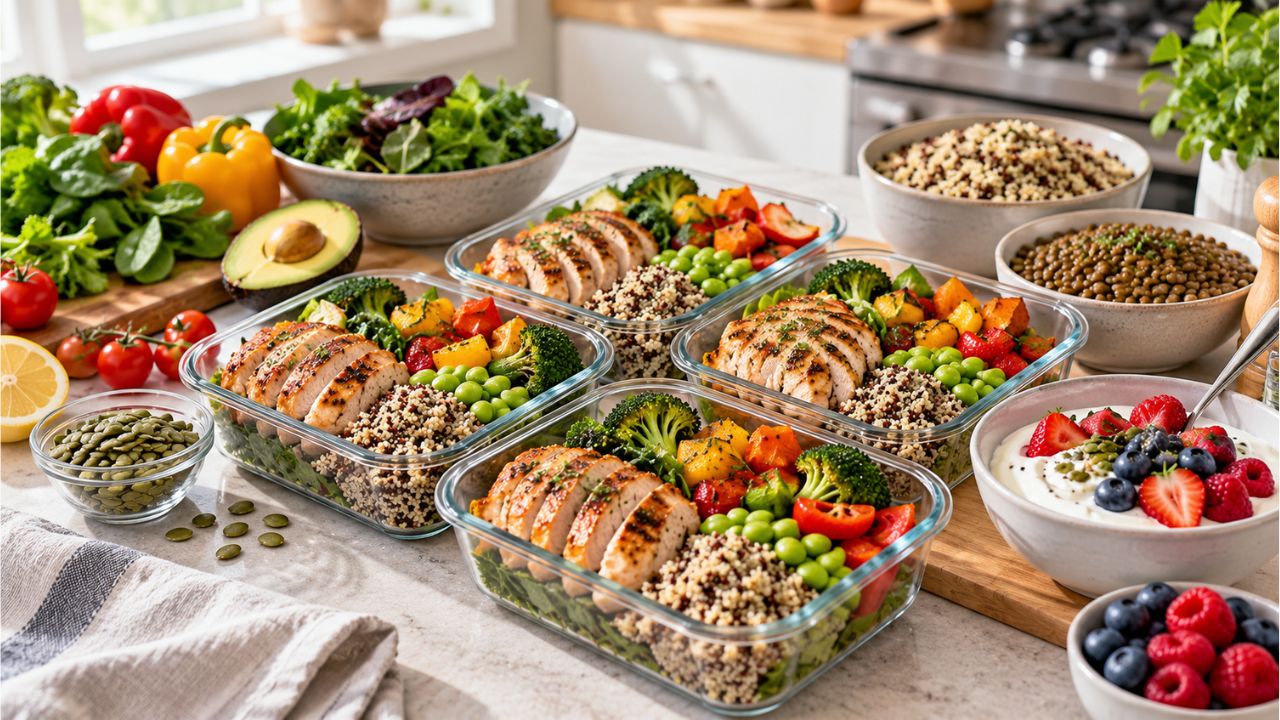
High-Protein Foods Macro Guide
Use this table as a quick reference when planning meals. Nutrition values are approximate and can vary by brand, cooking method, and serving size.
| Food Source | Protein (Approx.) | Calories (Approx.) | Best For |
|---|---|---|---|
| Chicken Breast, cooked (4 oz) | 25–30g | 180–200 | Meal prep |
| Canned Tuna (5 oz) | ~25g | ~120–180 | Quick meals |
| Lentils, cooked (1 cup) | ~18g | ~230 | Plant-based meals |
| Greek Yogurt (6 oz) | 15–18g | Varies | Breakfast and snacks |
| Cottage Cheese (½ cup) | 12–14g | Varies | Snacks and breakfast |
| Edamame, cooked (1 cup) | ~17g | ~190 | Plant-based snacks |
| Eggs (2 large) | ~12g | ~140 | Breakfast |
| Quinoa, cooked (1 cup) | ~8g | ~220 | Grain bowls |
| Almonds (1 oz) | ~6g | ~165 | Snacks |
| Pumpkin Seeds (1 oz) | ~5–9g | ~150–180 | Toppings and snacks |
Eat More High-Protein Foods Today
Eating more protein doesn’t mean you need to follow a restrictive diet or eat the same meals every day.
Start by choosing a few protein sources you genuinely enjoy. Add Greek yogurt to breakfast, eggs to your morning meal, chicken or lentils to lunch, and fish, beef, tofu, or beans to dinner.
The goal isn’t to eat as much protein as possible. It’s to build balanced meals that provide enough protein for your individual needs while also including vegetables, fruits, whole grains, healthy fats, and other nutrient-rich foods.
Small, consistent changes are usually easier to maintain than an overly restrictive diet.
FAQ
1. How much protein do I need each day?
Most adults need at least 0.8 grams of protein per kilogram of body weight daily. Your needs may be higher depending on your age, activity level, and fitness goals.
2. Can you eat too many high-protein foods?
Yes. More protein isn’t automatically better. Very high intake can add unnecessary calories, and people with kidney disease may need individualized protein guidance.
3. What are the cheapest high-protein foods?
Eggs, lentils, beans, canned tuna, Greek yogurt, and cottage cheese are practical, budget-friendly choices. Prices vary by brand and location.
4. Is plant protein as effective as animal protein?
Yes. Plant foods can contribute significantly to your protein needs. Eating a variety of sources such as beans, lentils, soy, nuts, and seeds can help provide a broad range of nutrients.
5. When should I drink a protein shake?
There is no required time. You can have a protein shake after a workout, at breakfast, or whenever it helps you meet your daily protein needs.



Pingback: How to Lose Belly Fat: 10 Simple Tips That Actually Work - Fat loss vibes